Two Giraffes

EYFS CURRICULUM

About our Learning Program!

Our comprehensive learning programs are designed to foster a love for knowledge and holistic development from the earliest stages.

Our Curriculum

Early Years Foundation Stage (EYFS) Program

The Early Years Foundation Stage (EYFS) is a comprehensive framework in the UK
designed to support the learning and development of children from birth to age 6.

Unique Child

Unique Child

Every child is a capable learner who is resilient and confident. We recognize that each child develops at their own pace, with unique needs and interests.
Positive Relationships

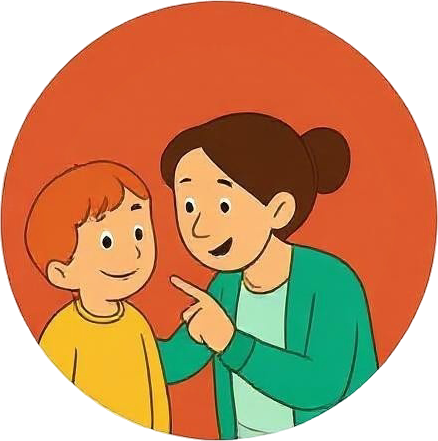
Positive Relationships

Strong relationships with adults and peers are essential for fostering emotional and social development. We prioritize creating secure and respectful connections.
Enabling Environments

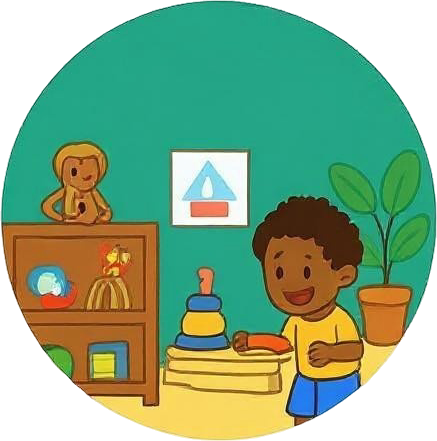
Enabling Environments

A safe, welcoming, and stimulating physical environment is crucial. We provide spaces where children can explore, play, and learn.
Learning and Development

Learning and Development

Children learn best through play and active exploration. The EYFS framework outlines the necessary areas of learning and development.
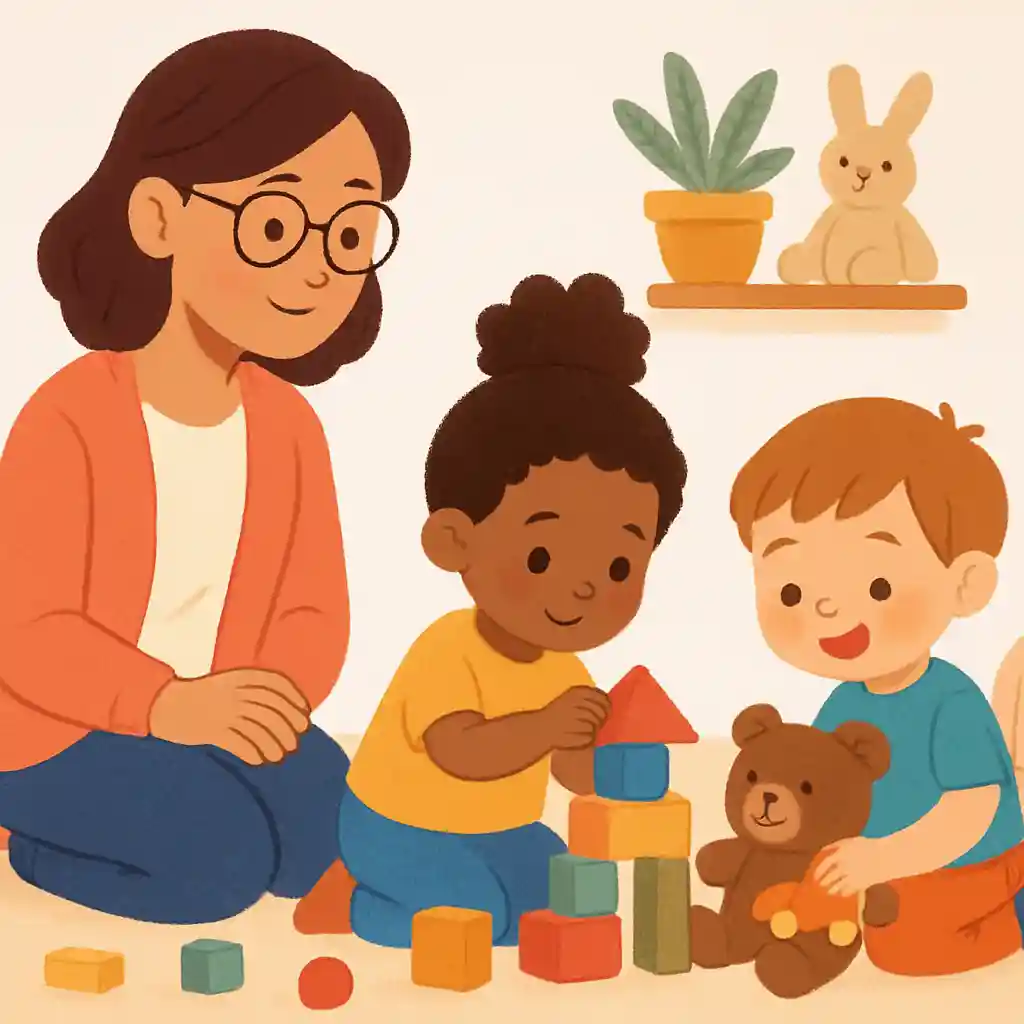
The EYFS program offers the following Areas of Learning and Development

The EYFS framework outlines seven areas of learning and development and educational programmes.
There are three prime areas of learning, which are particularly important for your child’s development and future learning.
There are four specific areas of learning, through which the prime areas are strengthened and applied

Prime areas

Personal, Social, and Emotional Development (PSED)

- Develop self-confidence and emotional regulation.
- Form positive relationships and understand others' feelings.

Communication and Language (CL)

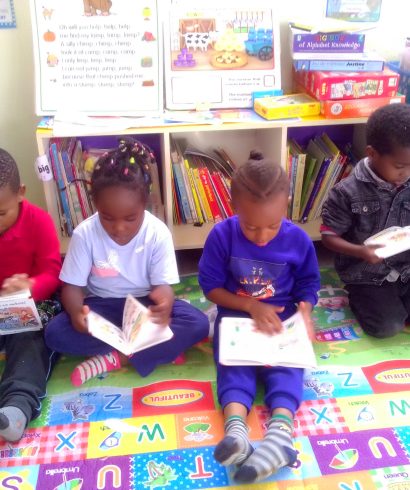
- Enhance listening, understanding, and speaking skills.
- Develop vocabulary through conversation and storytelling.

Physical Development (PD)

- Promote gross and fine motor skills.
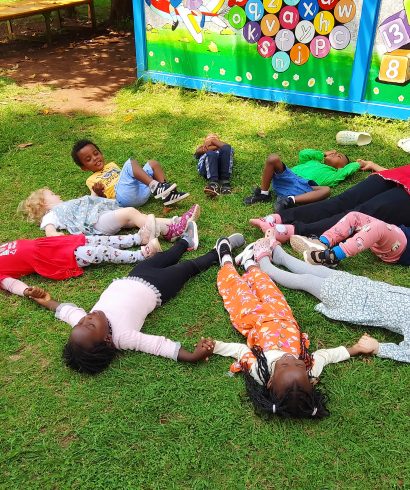
- Encourage healthy lifestyles through physical activity.

Specific areas

Literacy (L)

- Focus on reading and writing skills.
- Encourage phonics and self-expression through writing.

Mathematics

- Understand numbers, shapes, and measures.
- Develop problem-solving and counting skills through engaging activities.

Understanding the World (UW)

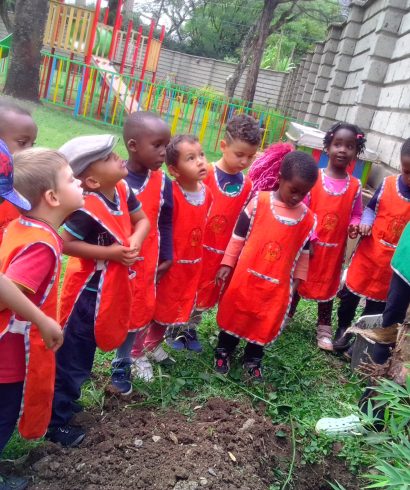
- Explore communities, the environment, and technology.
- Foster curiosity and cultural understanding.

Expressive Arts and Design (EAD)

- Encourage creative expression through art, music, and imaginative play.
- Help children explore their creativity and express their feelings.

Learning Approach

How Will My Child Be Learning?

The EYFS framework identifies the essential role of play in your child’s development. It is through both child-led play and play guided by an adult that your child will develop confidence and relationships with others. Through play, EYFS practitioners will help your child to extend their vocabulary and develop their communication skills.
A greater focus on teaching specific skills will occur as your child progresses through their reception year, which will help them to prepare for year one.

The EYFS framework identifies three characteristics of effective teaching and learning:

Playing and Exploring

Teachers observe children during play and activities to gather evidence of learning.

Active Learning

A guide outlining typical milestones to identify progress and areas for support.

Creating and Thinking Critically

At the end of the reception year, children are assessed against Early Learning Goals (ELGs), providing a summary of development for parents and future educators.

How Will I Know How My Child Is Doing?

Assessment in EYFS

Each child in the EYFS has a key person who will work in partnership with you, sharing information about your child. EYFS settings may also use observations to share your child’s key achievements. EYFS practitioners use their professional knowledge to understand your child’s level of development. If they have any concerns about your child's progress, they will discuss these with you.
Three formal assessments take place during the EYFS

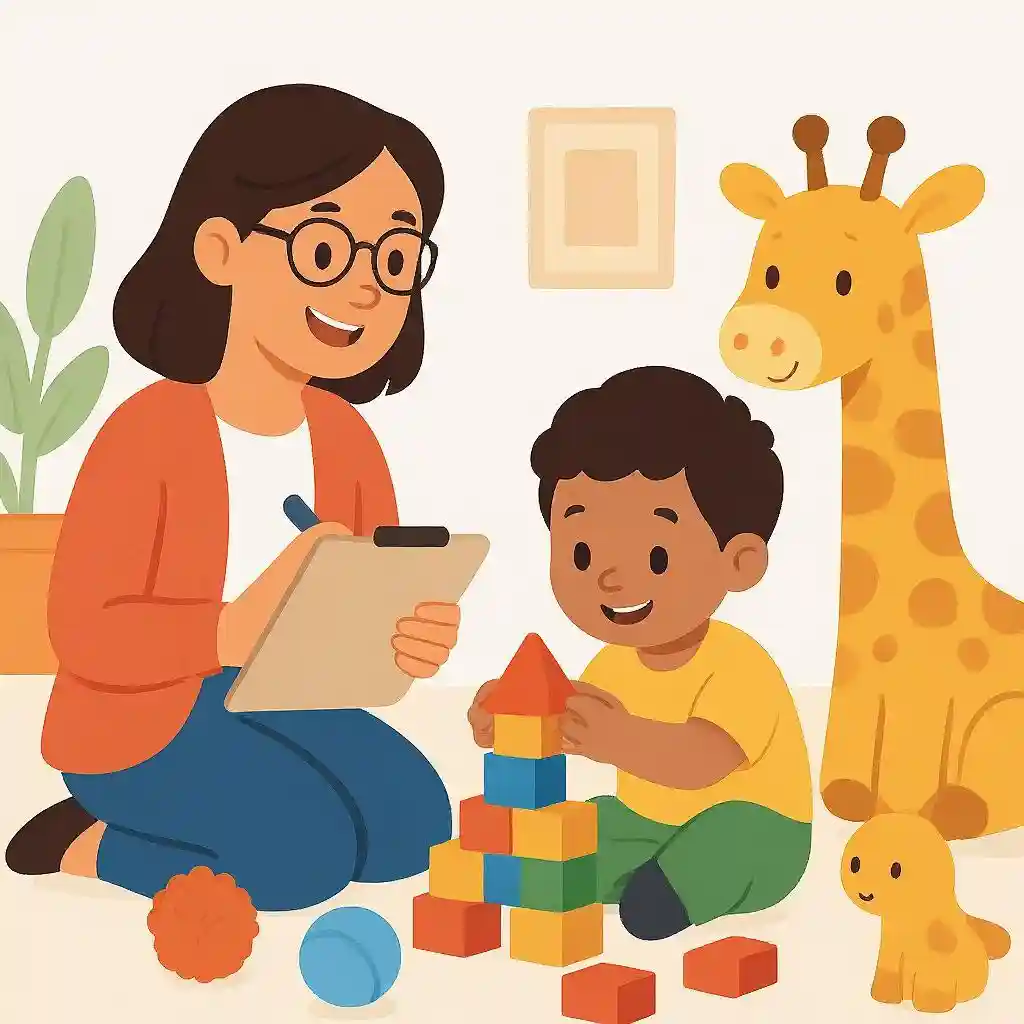
Observations

Two-Year Progress Check (this will happen between the ages of 24 to 36 months). Teachers observe children during play and activities to gather evidence of learning.
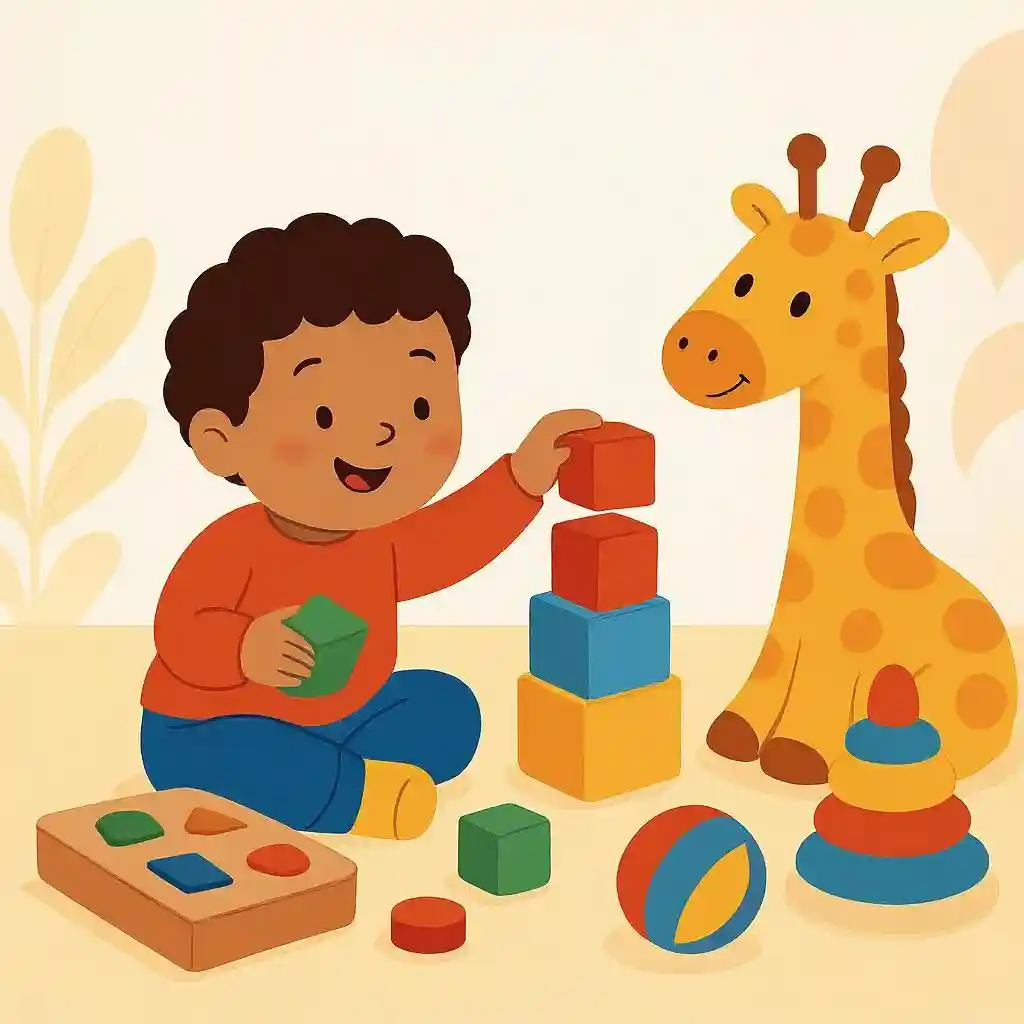
Development Matters

Reception Baseline Assessment (at the start of the reception year). A guide outlining typical milestones to identify progress and areas for support.
EYFS Profile

Early Years Foundation Stage Profile (at the end of the EYFS). At the end of the reception year, children are assessed against Early Learning Goals (ELGs), providing a summary of development for parents and future educators.

Your child’s Early Years Foundation Stage Profile will be shared with you at the end of the EYFS. This will inform you of your child’s progress
and whether they have met or are continuing to work towards their early learning goals (ELGs). There are 17 ELGs your child is expected to achieve by the end of the EYFS.

Staying Connected

We use the Illumine App to
Enhance Program Experience

We leverage the user-friendly Illumine application to facilitate effective communication and
collaboration between the school, teachers, and parents.
Benefits:

Once onboarded, you will receive login instructions and a personal access code to get started with the Illumine app. We encourage you to download the app on your smartphone or access it via the website.